Negative Impact of Poor Urban Planning
Our urban environment dictates our lives in manners in which we cannot comprehend. According to the World Health Organization (WHO), the environment we live in makes up for 25% of our health status. Therefore, the urban planning of a city can influence not only the health of the citizens, but also on education, quality of life and equity within the community (Ubalde, 2019).
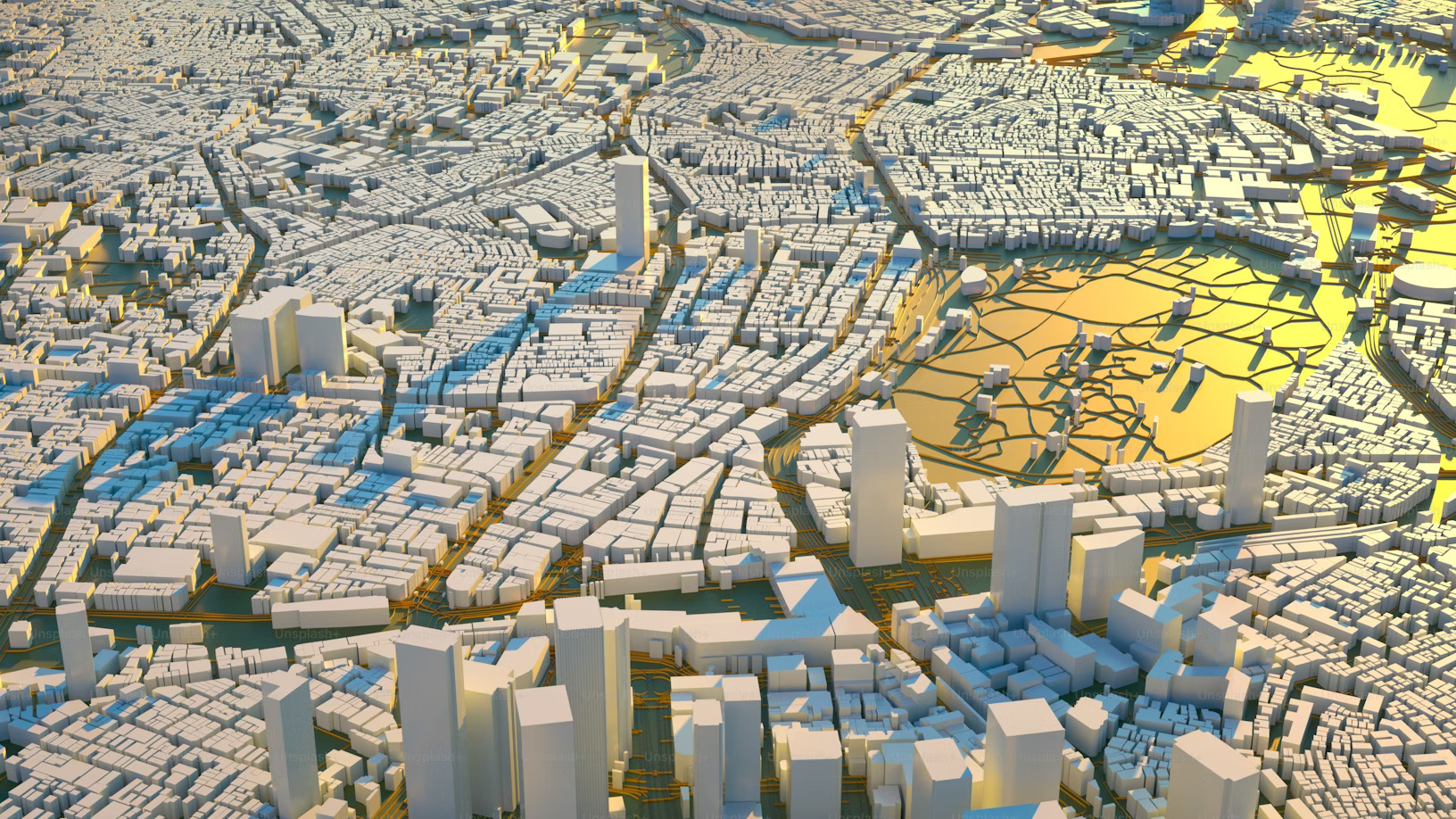
Overcrowding is a direct consequence of poor urban planning, as people are forced into cramped apartments or buildings that aren’t designed for optimum human life. Studies indicate that planned cities had significantly higher quality of life and better mobility, whereas informal city sprawls that expanded without thought are linked to higher social vulnerability. Thus, improper urban planning results in the citizens enduring a poorer quality of life.
Poor urban planning imposes health risks upon its citizens, as it contributes to rabid air and noise pollution. Overcrowded, slum-like housing contributes to communicable diseases that can be spread rapidly amongst the people. In addition, when cities are densely populated - it contributes to higher levels of pollutant from vehicles, which increases the spread of respiratory illnesses.This results in poorer health amongst the people of the country.
Finally, poor urban planning increases risk of hazard and uncontrollable disaster in the city. Poor public infrastructure and city planning, such as placing industrial zones near residential areas, will contribute to fire hazards and potentially explosive threats to urban populations. Congested urban planning can further contribute to higher risk of major fires spreading throughout the town, and the lack of fire escapes and planning would result in more people being exposed to danger. Over time, when all these vulnerabilities are accumulated, it would increase the chances of disaster with every hazardous event.
Therefore, it is imperative that we consider the human aspect of urban design, and construct cities in a manner in which it would foster the wellbeing of the people of the country.
References
Bhanjee, S. and Zhang, S. (2020). Do urban planning and sprawl affect social vulnerability? An assessment of Dar es Salaam. Development Southern Africa, pp.1–19. doi:https://doi.org/10.1080/0376835x.2020.1818549.
Rahaman, M.A., Kalam, A. and Al?Mamun, Md. (2023). Unplanned urbanization and health risks of Dhaka City in Bangladesh: uncovering the associations between urban environment and public health. Frontiers in Public Health, [online] 11. doi:https://doi.org/10.3389/fpubh.2023.1269362.
Ubalde, M. (2019). How Does Urban Planning Affect Human Health? Our Health and the Health of Our Planet Depend on the Design of Our Cities - Blog - ISGLOBAL. [online] ISGLOBAL. Available at: https://www.isglobal.org/en/healthisglobal/-/custom-blog-portlet/-como-impacta-la-planificacion-urbana-en-nuestra-salud-nuestra-salud-y-la-del-planeta-dependen-del-diseno-de-las-ciudades.
UNDRR (2013). Poorly planned urban development. [online] www.preventionweb.net. Available at: https://www.preventionweb.net/understanding-disaster-risk/risk-drivers/poorly-planned-urban-development.